
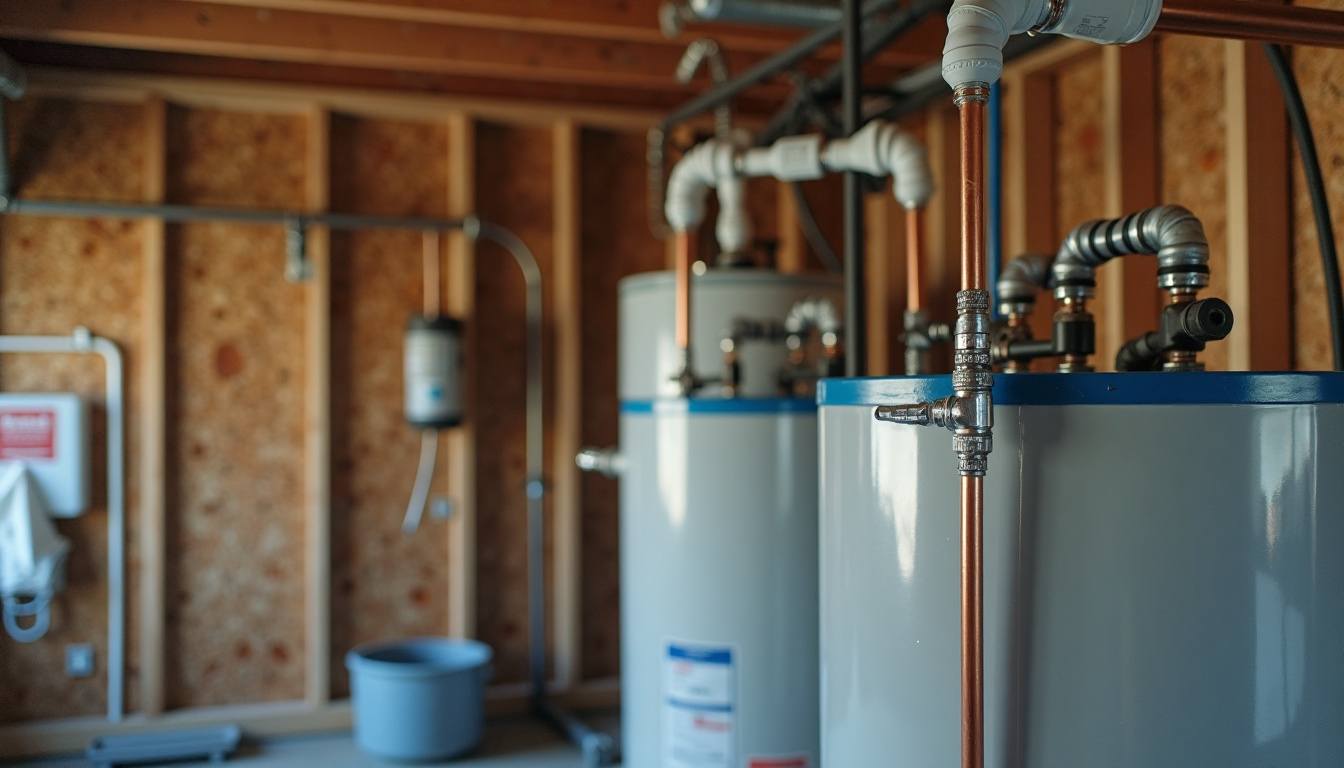
Water Heater Repair and Replacement
Lukewarm showers that used to be hot, a rumble from the garage when the burner fires, a rusty tint in the first gallon out of the tap: water heaters rarely quit without some warning. The trick is knowing which warnings mean a cheap part and which mean the tank is near the end. This page walks through both, along with the tank-versus-tankless question many River Region homeowners are weighing.
Montgomery Plumbing Pros does not sell or install water heaters. We connect you with an independent local plumber who does, and the plumber you hire quotes the job.
Signs the heater is failing
Not enough hot water, or hot water that runs out faster than it used to, often points to a failed heating element on an electric unit or sediment piled up in the bottom of a gas tank. Popping or rumbling noises are that sediment: water trapped under the crust boils and bursts through. Rust-colored hot water, when the cold runs clear, suggests the inside of the tank is corroding. Water around the base is the sign that matters most, but check where it is coming from first. A drip from the relief valve pipe or a loose fitting on top is a repair. Water seeping from the tank itself is not.
Repair or replace
Age is the first question. Most tank heaters last somewhere around eight to twelve years, and the date of manufacture is coded into the serial number on the label. A good plumber can read it for you. On a younger tank, replacing a thermostat, element, gas valve, thermocouple or relief valve is usually worth doing. On a tank in its teens with rust on the fittings, putting a new part on an old tank often means paying twice.
The other question is where the heater sits. A unit in the garage that leaks makes a mess on concrete. One in an attic or a hall closet over wood floors can ruin a ceiling or subfloor before anyone sees it, so a plumber may suggest replacing an aging heater there sooner, and adding a drain pan with a line to the outside if it does not have one.
Montgomery summers are long and hot, with average highs above 90 degrees from June through August. A heater in an uninsulated attic or garage sits in that heat for months, and the surrounding parts, from plastic drain pans to wiring and venting, age along with it. If a slow drip has gone unnoticed in a hidden spot, the damage can travel; this is where tracking down a leak you cannot see comes in.
Scale and flushing
All tap water carries some dissolved minerals, and heating water makes them drop out. Over time, that settles as scale and sediment in the bottom of a tank or coats the heat exchanger in a tankless unit. Sediment insulates the water from a gas burner, so the unit runs longer to heat the same water, and on an electric unit it can bury the lower element.
Flushing a few gallons out of the drain valve once a year helps on a tank that has been kept up. On a tank that has never been flushed, a plumber may be cautious, because an old drain valve can stick open or start leaking once it is disturbed. Tankless units need a descaling flush with a pump and solution on a schedule the manufacturer sets.
Tank or tankless for River Region homes
A tank heater keeps a set amount of water hot all the time. It is simpler, costs less to put in, and is easy for most plumbers to swap like for like. A tankless unit heats water as it passes through, so it does not run out during back-to-back showers and takes up a fraction of the space, but it costs more up front and may need a larger gas line, a new vent, or a heavier electrical circuit.
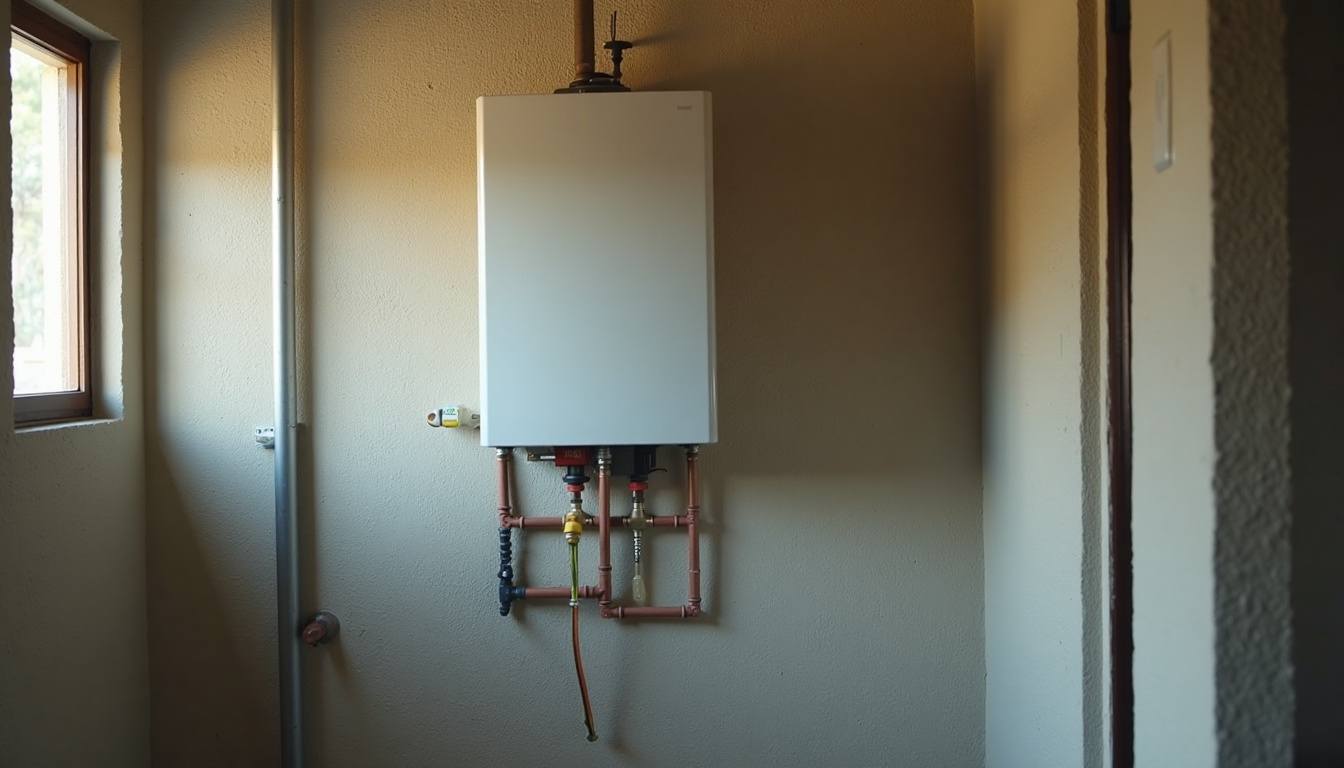
For a household that runs out of hot water often, or a home where the old tank sits in an attic and could be replaced by a wall-mounted unit in the garage, tankless can make sense. For a small household that rarely runs short, a new tank of the right size is usually the plainer choice. Homeowners across the river in the Prattville subdivisions weigh the same choice when an original tank wears out.
Gas vs. electric and venting
Gas heaters recover faster and generally cost less to run where natural gas is available. They also need proper venting, a working gas shutoff and a flexible connector in good shape, and they must have combustion air. Electric heaters need no venting, but a 240-volt circuit sized for the unit.
Switching from electric to gas, or from a standard tank to a tankless gas unit, is not only a water heater job. It can mean running a new line from the meter or upsizing an old one, so ask whether the gas side of the hookup is included in the quote or handled separately. In Alabama, gas work is supposed to be done by a licensed gas fitter, and you can check that license with the state board.
What an install includes
A complete replacement covers more than setting a new tank in place. Ask whether the quote includes hauling away the old unit, new supply connectors and shutoff valve if needed, a new relief valve and discharge line, a drain pan, an expansion tank if the house needs one, and any permit. For gas units, it should include checking the vent and testing the gas connections for leaks. Have all of that written into the quote before the old tank comes out. If the plumber finds a corroded shutoff or a vent that does not meet code, that should come up as its own line before the work starts, not as a surprise on the invoice.
Get a water heater quote
Tell us the heater's age if you know it, whether it is gas or electric, where it sits, and what it is doing, then send the form. A photo of the label helps the plumber. If the tank is leaking now, close the cold-water valve above it and switch off the breaker, or turn a gas unit's control to off, before you write. We connect you with an independent local plumber who handles water heaters.